
Start with the working relationship
Understanding who is involved and why a recommendation is made is part of informed care.
Use these prompts to prepare for a first visit, ask about ongoing communication, or decide whether another perspective would be helpful.
Subject context
Fitting is also an ongoing relationship
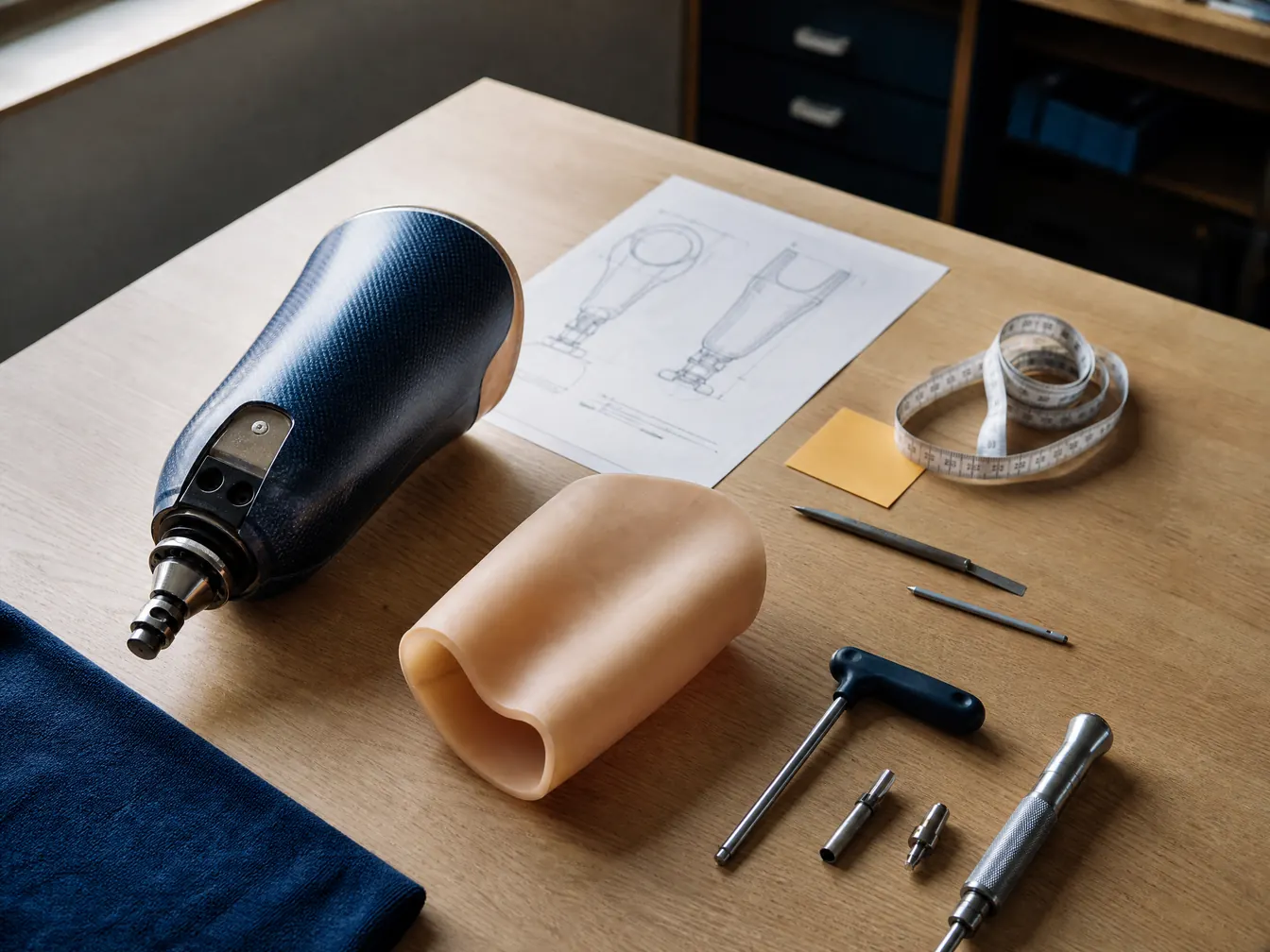
A prosthetist may assess, design, fabricate, fit, align, adjust, and maintain a prosthetic device as part of a broader rehabilitation team. The first visit is usually a conversation about health history, current needs, daily goals, and what information is needed before a fitting or build begins.
Credentials, experience, communication, follow-up, location, and the practice’s approach to adjustments are all reasonable subjects to ask about. A good fit includes a working relationship that leaves room for questions.
The relationship matters
The subject before the questions.
Start here for the core ideas behind this guide. The question list comes later, after the subject has been given room to make sense.
Role
A prosthetist evaluates, designs, fits, aligns, and maintains prosthetic devices as part of a broader care team.
Communication
A good appointment makes space for daily goals, observations, questions, and an explanation of why a recommendation was made.
Credentials and choice
Ask how a clinician’s credentials, experience, location, follow-up, and communication style fit your needs.
What continuity can mean
A little more context before you decide what to ask.
Finding a prosthetist is not only a credentials question. Ask how the practice handles trial fittings, follow-up visits, repairs, adjustments, communication, and changes in goals. Those details describe the working relationship that continues after an initial device is delivered.
01
Who does what
A prosthetist focuses on devices that replace a missing limb. An orthotist focuses on external supports for a limb, joint, or spine that is present. Some clinicians hold credentials across both fields and work in practices that provide both prosthetic and orthotic care.
It is reasonable to ask who will be involved in your care, what their role is, and which person should answer a particular question about fit, therapy, paperwork, or daily use.
02
Credentials are a reasonable question
In the United States, clinicians may use credentials such as CP, CO, or CPO. A provider’s office can explain a clinician’s training, certification, scope, and the role they will have in your care.
Credentials matter, but they are not the whole relationship. You may also want to know how the practice handles follow-up, adjustments, communication between visits, and coordination with your other clinicians.
03
What a first visit may include
A first consultation often includes a conversation about health history, current situation, and daily goals, along with an assessment of the residual limb or area needing support. The team may discuss possible options and what information is needed before fabrication or fitting begins.
Bring notes about the activities that matter to you, any concerns about comfort or skin, relevant footwear if the clinic requests it, and the questions you do not want to forget.
04
Evaluate the relationship, not only the device
Care often involves repeat adjustments rather than a single transaction. A useful working relationship leaves room for questions and treats adjustment requests as ordinary feedback, not a complaint.
If explanations consistently feel rushed or unclear, it is reasonable to ask for a different explanation, involve a support person, or consider whether another opinion would help you understand your options.
05
Second opinions can be part of careful decision-making
A second opinion can be a practical way to understand a first device, a major change, or a recommendation you do not yet feel ready to act on. It does not require a special justification.
Ask an insurer or provider office about any referral, network, records, or authorization requirements that may apply to your own situation.
Terms
A few words that make the rest easier
Prosthetist
A clinician who designs, fits, and maintains prosthetic devices.
Orthotist
A clinician who designs, fits, and maintains orthotic braces and supports.
CPO
A credential commonly used in the United States for a clinician certified in both prosthetics and orthotics.
Second opinion
An additional professional perspective that may help clarify a decision or recommendation.
FAQ
Questions people often ask
Sources & resources
Continue with care.
These external directories and certification pathways are starting points. They do not constitute an endorsement of any professional, product, or service.
Locating a Certified Prosthetist
Non-endorsing information about prosthetist directories, certification boards, and questions to help locate a provider.
Amputee CoalitionPatient educationNational Limb Loss Resource Center
A public hub for expert-reviewed education, peer support, healthcare navigation, and information specialists.
Amputee CoalitionContinue with context